Some films go beyond entertainment, they invite us to think, question, and reflect. Thought-provoking movies stand out for challenging our perceptions, presenting complex dilemmas, and sparking debates long after the credits end.
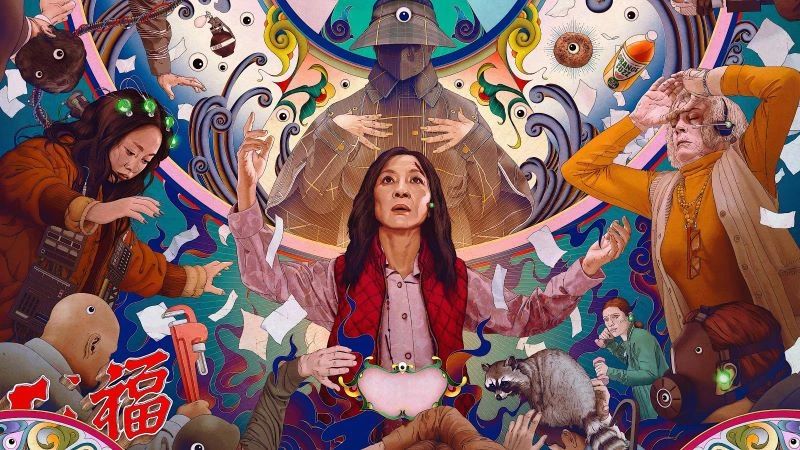
These films explore philosophical, social, and existential themes that encourage audiences to question reality, morality, and the meaning of life.
This article explores how these cinematic masterpieces use intricate narratives, symbolism, and unexpected twists to provoke introspection and inspire fresh perspectives.
By examining how filmmakers tackle profound issues, such as identity, memory, social justice, and existence itself, we highlight cinema’s unique power as a tool for personal growth and cultural transformation.
Movies that provoke thought
Cinema has long reflected humanity’s deepest questions, but some films demand active engagement, they spark curiosity, challenge assumptions, and linger in the mind like unsolved puzzles.
These thought-provoking movies embrace ambiguity, presenting ethical paradoxes, social critiques, and existential dilemmas.
From dystopian futures mirroring today’s anxieties to intimate character studies exploring identity’s fragility, these works use film language, visual metaphors, nonlinear storytelling, and moral complexity, to push viewers toward confronting uncomfortable truths.
Through haunting allegories about power, memory, and the human condition, these films don’t just tell stories; they plant seeds of doubt, wonder, and transformation, urging us to see the world, and ourselves, with sharper, more critical eyes.
See also: Great underrated sci-fi movies
Which are the most thought provoking movies?
Some films transcend entertainment, inviting deep questions about reality, identity, society, and existence. Here are ten standout movies offering unique lenses to explore these themes:
Inside Out (2015)
This acclaimed animated film by Pixar brings to life the emotions inside a young girl named Riley’s mind: Joy, Sadness, Anger, Fear, and Disgust. As Riley navigates a difficult family move, these emotions struggle to guide her through complex feelings.
The story explores how emotions interact in shaping memories, decisions, and personality, highlighting that all feelings, even sadness, have value in personal growth and mental health. Developed with psychologists’ input, Inside Out offers a nuanced, accessible depiction of emotional intelligence.
It encourages viewers to embrace their full emotional range rather than suppress uncomfortable feelings. The film stands out for blending entertainment with psychological insight, making it a powerful tool for empathy and understanding across all ages.
Available on Disney+.
Wall-E (2008)
Set in a distant future where Earth is abandoned and overwhelmed by waste, Wall-E follows a small waste-collecting robot left to clean the planet. He discovers the loneliness of his existence until meeting Eve, a probe sent to find signs of life.
Through Wall-E’s silent, expressive character and minimal dialogue, the film delivers a profound message about consumerism’s impact, environmental neglect, and the dangers of passive human lifestyles.
It critiques humanity’s dependence on technology while offering hope for renewal and responsibility. The narrative urges viewers to rethink their relationship with the environment, emphasizing care, stewardship, and the power of small actions over time.
Wall-E is both a poignant ecological fable and an endearing love story.
Available on Disney+ and Netflix.
The Matrix (1999)
A groundbreaking sci-fi classic, The Matrix imagines a dystopian reality where humans unknowingly exist inside a simulated world controlled by machines. Its storyline weaves together action, philosophical inquiry, and mythology.
Drawing inspiration from Plato’s Allegory of the Cave and debates over free will and perception, the film challenges audiences to question what is “real”. Protagonist Neo’s journey reveals layers of illusion and control, provoking deep reflection on consciousness, autonomy, and truth.
Beyond thrilling action scenes, The Matrix explores humanity’s struggle to break free from systems that confine and deceive.
Its cultural impact is vast, influencing film, philosophy, and cyberculture discourse, and remains relevant amid modern technological and existential anxieties.
Available for rent or purchase on Amazon Video, YouTube, Google Play, and Apple TV.
Mulholland Drive (2001)
David Lynch’s Mulholland Drive is a surreal, enigmatic film that blurs the boundaries between dreams, reality, and identity. This nonlinear, puzzle-like narrative follows Betty, an aspiring actress, as she arrives in Los Angeles and becomes intertwined with a mysterious woman with amnesia.
The film’s striking imagery and symbolism evoke themes of ambition, memory, subconscious desires, and Hollywood’s darker side. Its open-ended structure invites endless interpretation and debate, challenging viewers to engage actively.
The unsettling atmosphere and layered storytelling explore how identity can fracture and elude understanding, while questioning the very nature of narrative truth. Mulholland Drive exemplifies Lynch’s mastery of psychological thriller and avant-garde cinema.
Available for rent or purchase on YouTube, Google Play, and Apple TV.
The Truman Show (1998)
The Truman Show follows Truman Burbank, an ordinary man who gradually discovers that his entire life has been broadcast as a reality TV show without his knowledge. The film combines satire with drama to critique media’s invasive surveillance, artificiality of reality, and manipulation of truth.
It raises important questions about authenticity, privacy, and free will in a media-saturated world. Truman’s journey from ignorance to awareness and rebellion provokes viewers to reconsider their own lives, how much is genuine and how much performance molded by external forces?
The film balances humor and poignancy, underscoring the human desire for freedom and truth in an increasingly constructed society.
Available on Paramount+ and Hulu.
V for Vendetta (2005)
Set in a bleak near-future Britain under authoritarian rule, V for Vendetta follows a masked vigilante, known only as V, who fights to overthrow a totalitarian regime using ideas as his weapon.
The film is both a political thriller and a philosophical meditation on freedom, resistance, and the power of hope. It explores the themes of government control, individual autonomy, and the moral complexities of revolution.
Through V’s enigmatic charisma and the journey of protagonist Evey, the story confronts what it means to stand up against oppression and reclaim humanity’s dignity. As relevant today as at release, this film sparks reflection on civil liberties and the significance of dissent in society.
Available on Netflix.
One Flew Over the Cuckoo’s Nest (1975)
One Flew Over the Cuckoo’s Nest, is a classic drama that focuses on Randle McMurphy, a rebellious convict who feigns insanity to serve time in a mental institution instead of prison. Inside, he clashes with Nurse Ratched, the authoritarian head nurse who uses intimidation and control to maintain order.
The film explores questions around sanity, conformity, oppression, and the ethics of mental health treatment. McMurphy’s defiance symbolizes individual spirit against dehumanizing institutions. The story critiques power structures and highlights the struggle for freedom and respect faced by those labeled “mad”.
Its powerful performances and pointed social commentary have made it a landmark film on mental health and authority.
Available on Amazon Prime Video and Netflix.
The Sixth Sense (1999)
Known for its iconic twist, The Sixth Sense is a supernatural thriller that delves into trauma, communication, and the afterlife. It follows child psychologist Malcolm Crowe as he counsels a boy who claims to see dead people.
The movie’s subtle storytelling and emotional depth invite viewers to reconsider earlier scenes in new contexts, encouraging analysis and multiple viewings. Themes of unresolved grief, acceptance, and connection permeate the narrative, while exploring human vulnerability and redemption.
By blending suspense with profound emotional resonance, the film transcends typical genre boundaries. Its lasting impact lies in how it challenges perceptions of reality and the power of empathy.
Available on Max.
Eternal Sunshine of the Spotless Mind (2004)
Eternal Sunshine of the Spotless Mind is an inventive romantic drama that explores memory, loss, and love through the story of Joel and Clementine, who undergo a procedure to erase each other from their memories after a painful breakup.
Told through a nonlinear narrative filled with surreal imagery and symbolism, the film contemplates whether forgetting pain is worth sacrificing growth and emotional connection. It examines the fragility of memory and identity, the complexity of relationships, and the human tendency to cling to both joy and sorrow.
Its delicate balance of science fiction and emotional depth makes it a moving meditation on love’s endurance despite imperfection.
Available on Amazon Video, YouTube, Google Play, and Apple TV.
Boyhood (2014)
Filmed over 12 years with the same actors, Boyhood uniquely captures the passage of time and the experience of growing up. The story follows Mason from childhood to young adulthood, portraying everyday moments, family dynamics, and milestones in a deeply realistic manner.
Its naturalistic style encourages viewers to reflect on their own lives, the choices they make, and how fleeting time can be. Boyhood reveals the beauty in the ordinary, emphasizing personal growth, relationships, and the shaping of identity through life’s small, unremarkable events.
The film’s timeline approach stands as a remarkable cinematic achievement in storytelling.
The movie is available on MUBI, Hulu, AMC+.
Thought-provoking films as a human journey
These movies transcend entertainment to explore what it means to be human. They dismantle assumptions, question societal norms, and confront life’s deepest questions: What defines reality? How do we find meaning amid chaos?
From The Matrix’s existential puzzles to Inside Out’s emotional insight, these films create a dialogue that stays with us well after the screen fades. Using complex narratives, visual metaphors, and moral ambiguity, they require active engagement.
They don’t give simple answers but reshape how we understand identity, memory, justice, and existence. These films remind us art is not passive; it is a call to question, debate, and evolve, urging us to see the world through others’ eyes.
As you explore these cinematic masterpieces, remember: the conversation continues. Visit Filmelier to discover more thought-provoking films, hidden gems, and join a community that celebrates movies as tools for empathy and change.